Culture
French Filmmakers Are Writing to Save Their Cinema
An open letter from France's biggest directors warns the 2027 budget could cut the support that keeps French cinema alive — and raises an old question about what America and France each choose to pay for.
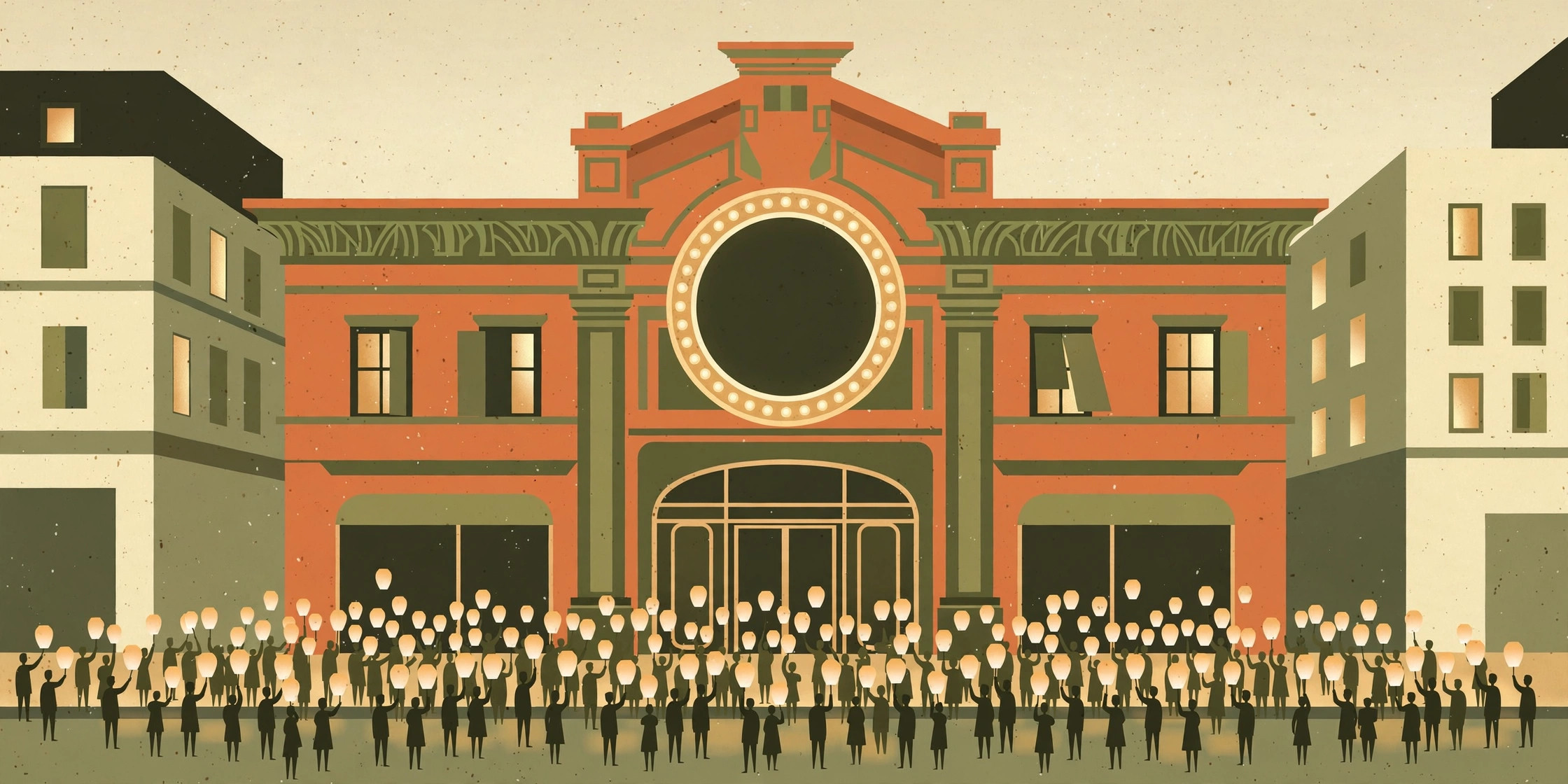
On October 15, Le Monde published an open letter signed by some of the biggest names in French cinema. Jacques Audiard, Michel Hazanavicius, Justine Triet, Claire Denis, Julia Ducournau, Alice Diop, Jean-Pierre and Luc Dardenne, Agnès Jaoui — the list reads like a festival program. Their message was not about a film. It was about the money that makes films possible.
The letter warns that the 2027 budget risks cutting culture funding and, with it, erasing French cinema from screens. At the center of their worry is the CNC — the national cinema center that finances French films through a system of levies on tickets and television. If the state weakens that machinery, the directors say, the whole ecosystem of French filmmaking wobbles.
This is a French letter about a French system. But it lands differently when you hold it next to the American way of making movies, because the two countries have chosen opposite answers to the same question: who pays for cinema?
In the United States, the answer is the market. Studios and streamers make films to earn money. A film that does not earn gets buried. The result is an industry of astonishing scale — the biggest films on earth, the widest distribution ever built. It is also an industry where mid-budget films for adults have nearly vanished, where a director with a strange, quiet idea must win over an algorithm or an executive before touching a camera.
In France, the answer is: everybody pays, a little, through the ticket price. Every cinema ticket in France feeds the CNC. Television channels pay levies too. That pool then finances the next round of French films — including the small, strange, quiet ones that would never survive a pitch meeting in Los Angeles. The system is why France still produces hundreds of films a year, why a first-time director from Marseille can get a film into theaters, why French cinema has a texture you cannot find anywhere else.
Each system buys something and loses something. Hollywood buys global reach and loses the middle. France buys diversity and loses, sometimes, efficiency — the money is guaranteed, so not every euro is earned.
The filmmakers’ letter is, at bottom, a reminder of what the French choice costs and what it protects. Cutting culture funding is not like cutting a subsidy for an industry that could stand on its own. There is no American-style market waiting to replace the CNC. Without the public system, French cinema does not become Hollywood. It becomes smaller, thinner, and eventually — the letter’s word — erased.
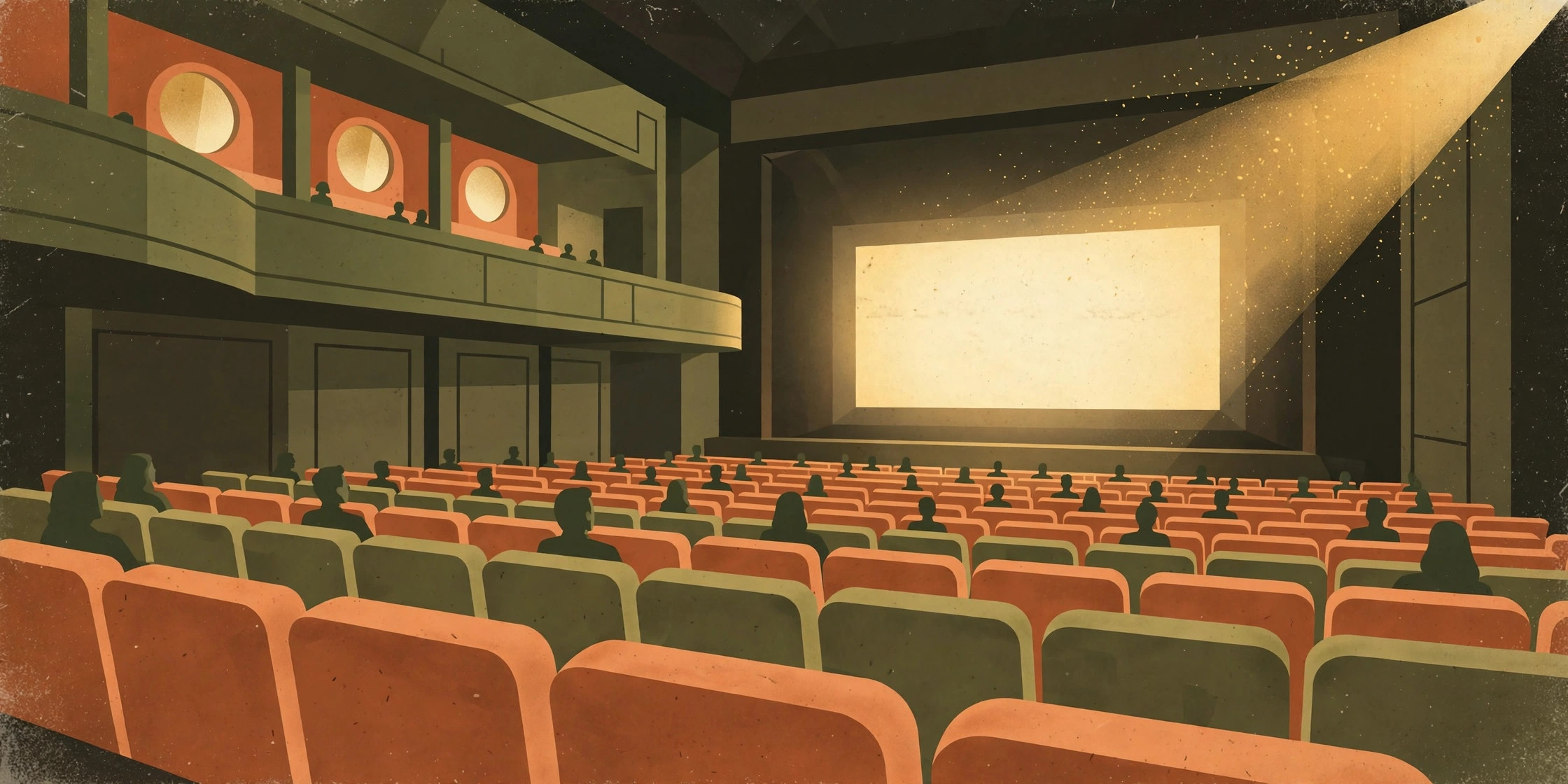
Living here, you notice the difference in the theaters themselves. On a rainy Tuesday in Lyon, the multiplex down the street shows an American blockbuster, a French comedy, a documentary about beekeepers, and a restored classic from the sixties. That mix is not an accident. It is policy, paid for at the ticket counter, defended in open letters.
The debate now is whether France still wants to pay for it. The directors say yes. The budget says: we’ll see.
Advertisement