Culture
The Pique-Nique
The French pique-nique is an all-afternoon riverside ceremony built from a baguette, some saucisson, and a good knife; the American picnic is a potluck with a sign-up sheet and a canopy. Both end up on the grass — they just disagree about nearly everything else.
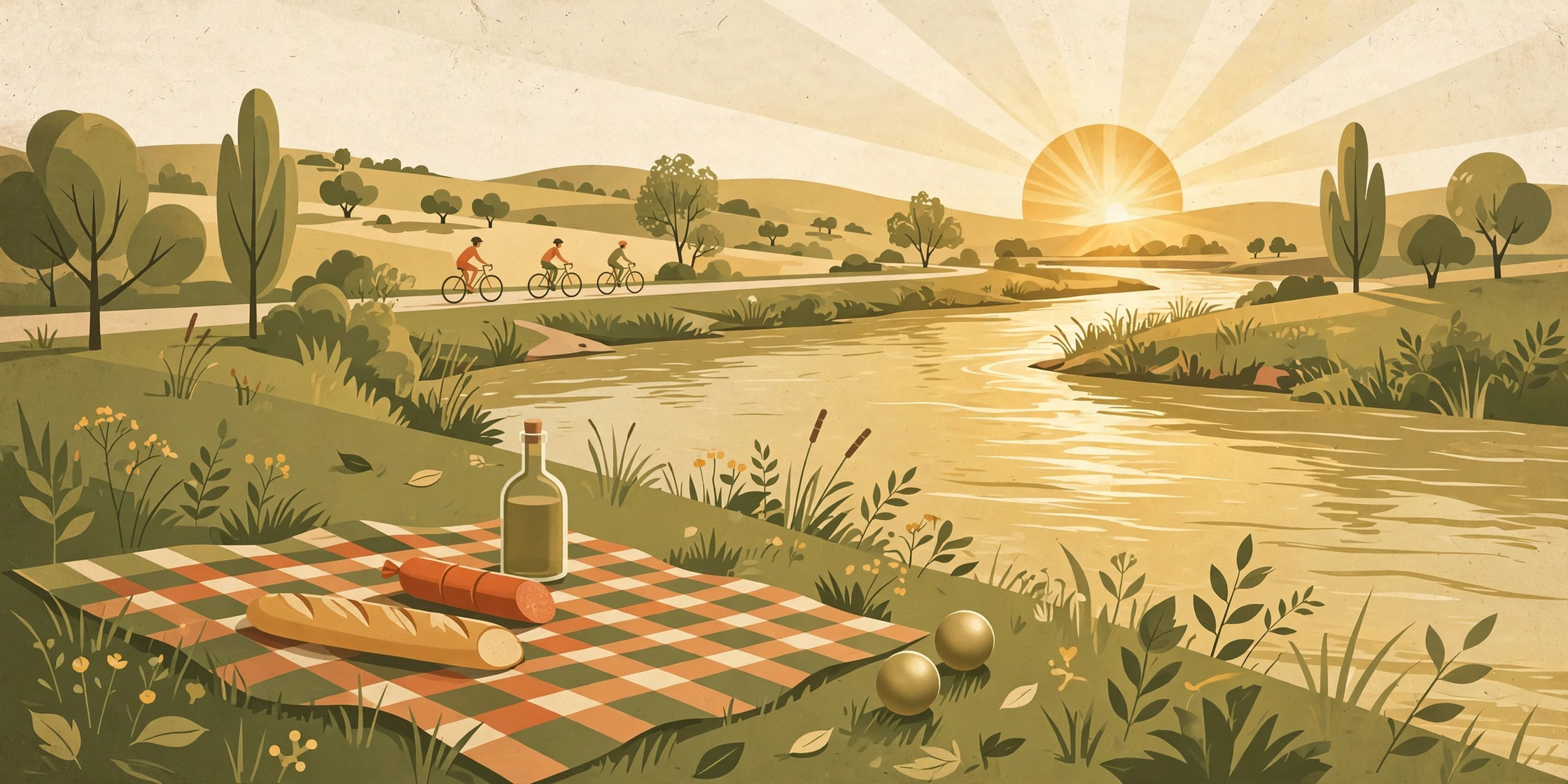
In France, the word itself is pronounced like a small ceremony: pique-nique. Say it at a French dinner table and watch what happens — faces soften, somebody’s uncle is summoned from anecdote, a riverbank materializes in the collective memory. This is not a meal. A meal can be hurried. A pique-nique cannot be hurried, any more than a river can be hurried, and the French have built an entire philosophy around this fact.
The American picnic is also a serious undertaking, but of an entirely different species. In America, the picnic is an event with logistics: the potluck spreadsheet, the group-chat sign-up sheet, and the eternal, haunting question of who is bringing the ice. Somebody always forgets the ice. Ice is the American picnic’s equivalent of the French baguette — except that nobody has ever written a love song about ice, and nobody ever will.
Advertisement
Start with the invitation, because everything downstream is decided there. In France, the invitation is a murmur: on se fait un pique-nique dimanche? — shall we do a pique-nique on Sunday? The time is approximate, the location is vague (“by the river, you know the spot”), the headcount is flexible. It is understood by all parties that the plan will be made entirely of intentions, and that the intentions will be enough.
In America, the invitation arrives in your inbox with a subject line and a deadline. “Picnic at Miller Park — SIGN UP!” There is a shared document with columns: main dish, side, dessert, drinks. At the bottom sits the tragic permanent row — ice, plates, napkins — which waits for a volunteer the way a shelter waits for an adopter. Nobody volunteers until somebody guilt-trips the group chat, and then two people bring ice, and there is a brief, silent contest over whose ice was more thoughtfully cubed.
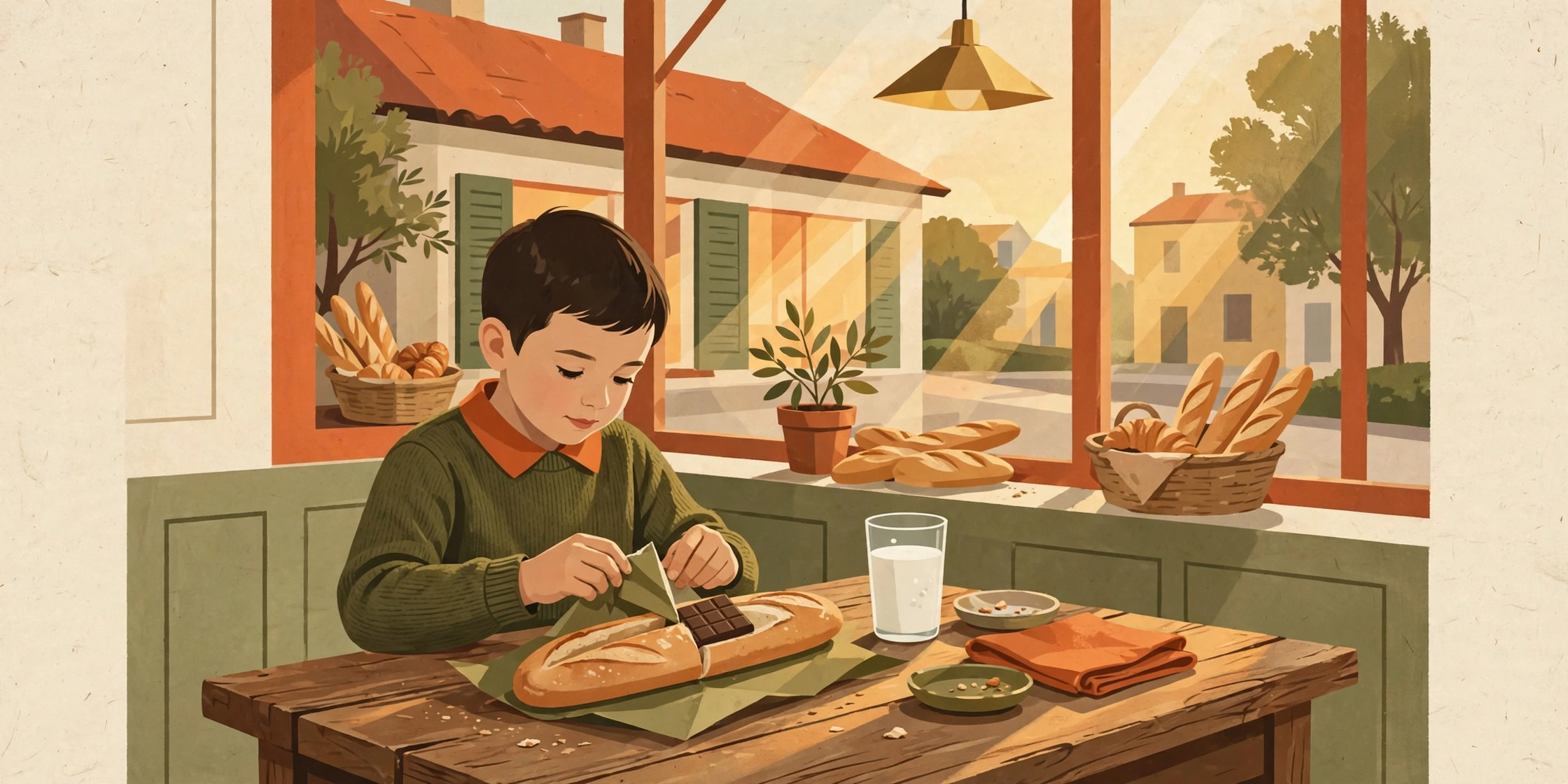
The French arrive with a baguette — singular, warm, protruding from its paper sleeve like a flag of intent. They arrive with saucisson, with a cheese sweating pleasantly in its wrapper, with tomatoes that actually smell like tomatoes, and with a bottle of wine chosen with more care than most Americans put into selecting a mortgage lender. The entire provisioning strategy fits in one canvas bag, and it looks, against all reason, like enough food for six people. It is enough for six people. It is enough for eight.
The Americans arrive with a cooler. Then a second cooler, because one is for drinks and one is for food, and the two must never mix, the way church and state must never mix. Then come the folding table, the pop-up canopy, the Bluetooth speaker, the bag of charcoal, and a lawn game nobody will play but everybody agreed someone should bring. The French picnic occupies a blanket. The American picnic occupies a campsite. Both sides are certain theirs is the minimal, obvious way to do this.
The blanket and the canopy
The French blanket is a real blanket — often striped, often inherited, spread on the grass with the ceremony of raising a flag. Placement is everything: the view, the shade, the distance from the neighboring blankets (close enough for ambience, far enough for philosophy). The French choose their spot the way they choose a café terrace — facing the scene, never with their back to it. To sit with your back to the river is to announce that you do not understand rivers.
The American setup begins with the canopy, because the sun is an adversary and shade is infrastructure. Beneath it: folding chairs — real chairs, with cup holders — arranged in a circle that suggests a committee meeting. The American picnic does not sit on the ground if the ground can be avoided. The ground is for ants and for children, and the ants get first claim. Comfort is not a luxury here; it is a design requirement, engineered with the same seriousness Americans bring to everything they love.
Paper plates are the great dividing line between the two civilizations. The French picnic uses real plates — or at worst a shared wooden board — because eating off paper is, in the French imagination, a small tragedy, like drinking champagne from a mug or applauding between movements. The Americans use paper plates cheerfully, in great quantity, and then produce a roll of paper towels roughly the size of a dachshund. The French bring one knife. It is a good knife. It does everything, and it has a story.
The menu
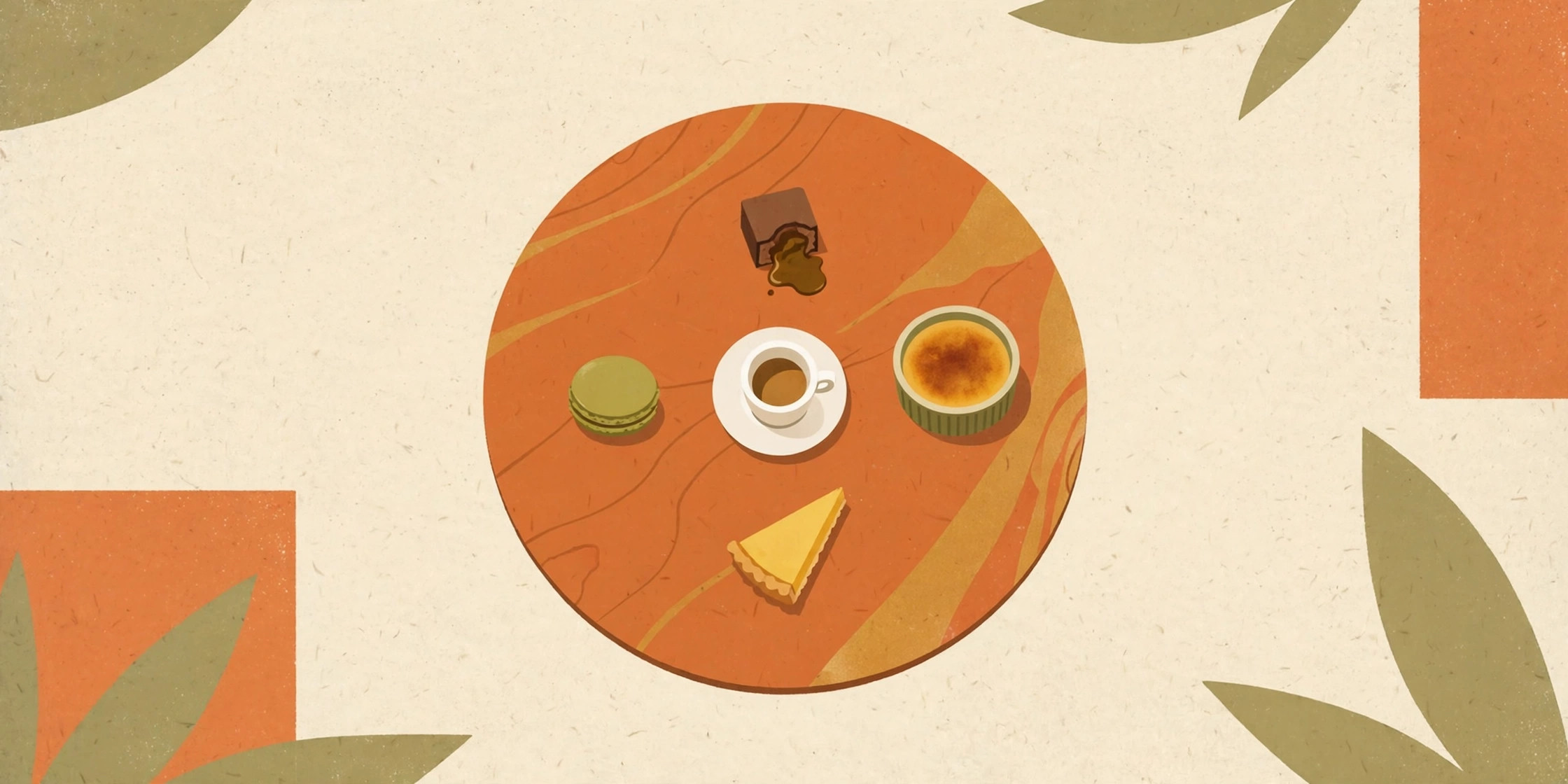
The French menu is not a menu at all; it is an assemblage. The baguette is torn, never sliced — tearing is communion, slicing is catering. The saucisson arrives in coins. The cheese is passed from hand to hand with running commentary, the way a relic is passed among pilgrims. There are radishes with salt and sweet butter, which sounds like nothing and tastes like a revelation. There is no recipe and no theme. The theme is: it is Sunday, the river is there, and we are here, and that is the whole recipe.
The American menu is a catered production with acts. There is the potato salad — and let the record show that every American picnic has at least two potato salads, one mayonnaise-based and one that is “the healthy one,” which nobody eats but everybody compliments. There is the fried chicken, the deviled eggs, the baked beans, the coleslaw, the fruit salad in its plastic clamshell, and the dessert table, which is a table unto itself and requires its own volunteer. The French eat lightly for four hours. The Americans eat enormously for ninety minutes. Both call it lunch.
Advertisement
Wine, in France, is not a beverage; it is a utensil. A bottle of something chilled — white in the heat, rosé when the afternoon demands it — materializes as naturally as the blanket itself. Children are offered a splash in their water, a practice that would trigger a legislative hearing in Ohio. The French do not drink to get drunk at a pique-nique; that would be missing the point the way a hammer misses the point of a nail. They drink because the saucisson requires it, the way a lock requires a key.
The American cooler holds beer and soda, cans sweating in the ice that somebody finally remembered to bring. Wine appears occasionally — in a box, in a can — and everyone agrees this is a bold new trend rather than an accommodation to the cooler. There is also, always, a gallon jug of homemade lemonade with a mint sprig, made by somebody’s aunt, which is genuinely the best thing at the picnic and which nobody will admit is the best thing at the picnic, because admitting it would upset the dessert table.
The afternoon
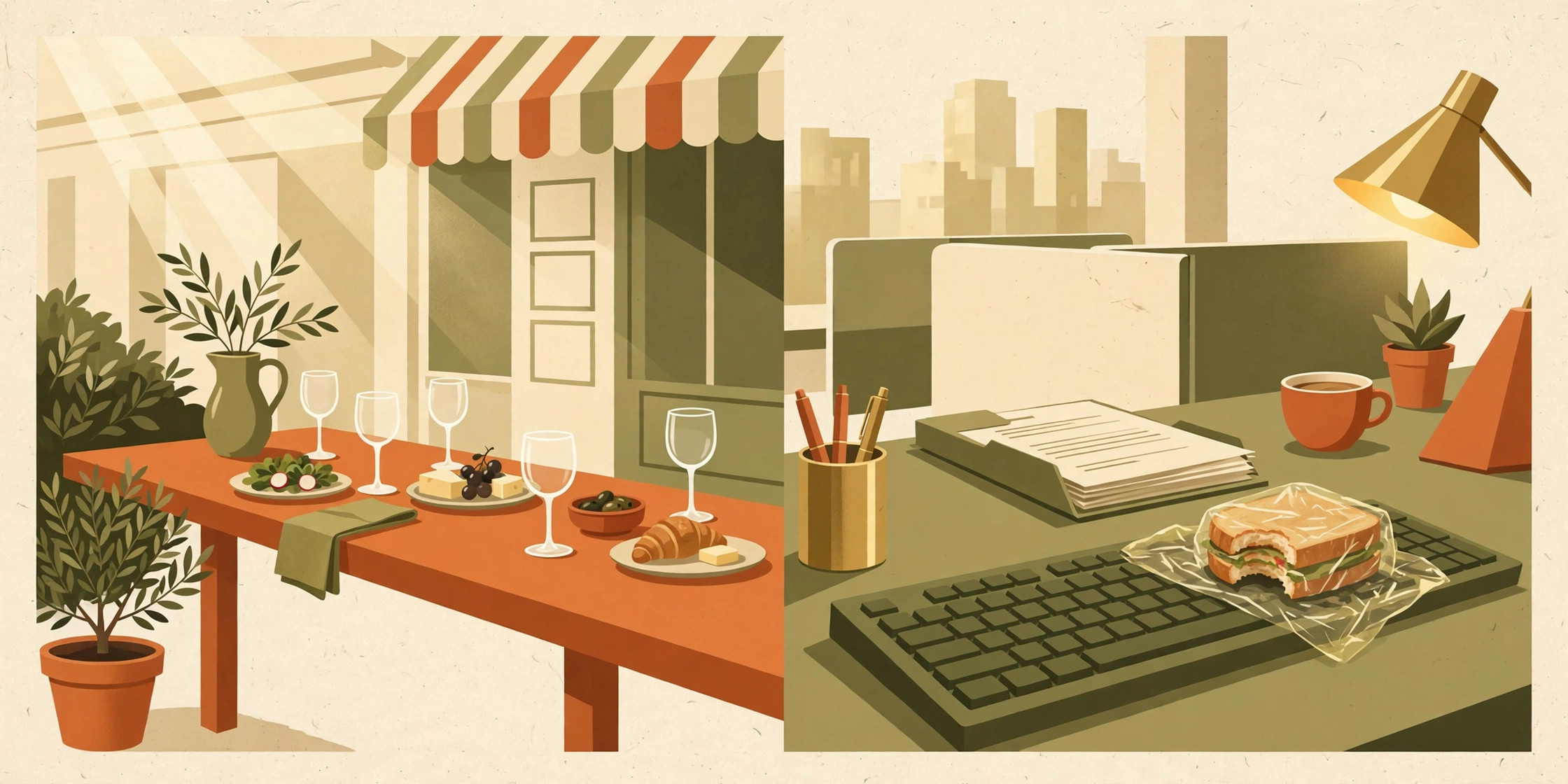
Time behaves differently on the two blankets. The French pique-nique has no end time. It begins around noon — the word “around” doing enormous structural work — and it ends when it ends: four o’clock, five, the long golden slide into evening when someone mentions that the café in the village is still open. The afternoon is not scheduled; it is inhabited. The French do not check the time. They check the light, which is a more honest clock anyway.
The American picnic has a start time and, crucially, an implied end time. “Let’s say eleven to two” is stated plainly, and it is meant. At 2:15 the canopy begins coming down with the efficiency of a racing pit crew. There are other obligations — the game, the errands, the rest of the weekend, which in America is a resource to be optimized like any other. The French have nowhere to be. This is where they are. The difference is not about food. It never was about food.
And then — inevitably, beautifully — the pétanque. At every French pique-nique of any standing, somebody produces a set of boules from the trunk of the car the way a magician produces a dove. The terrain is surveyed with professional gravity: a patch of packed dirt, a stretch of gravel beside the path. The cochonnet is thrown. Opinions form immediately and loudly. The game will last two hours, involve three generations, and produce at least one dispute about a measurement requiring a piece of string and the temperament of a judge.
The American picnic has its games too — cornhole, the bean-bag toss, a frisbee that ends up in a tree — but they are played in the gaps between courses. They are interludes. The pétanque is not an interlude; it is the second act. The French do not play a game at the picnic. The picnic becomes a tournament, the tournament becomes the apéro, the apéro becomes dinner, and nobody remembers deciding any of this, because nobody did. It simply happened, the way rivers happen.
Conversation is the other sport, and the rules are not the same. At the French pique-nique, conversation is the main event: politics, the neighbor’s renovation, the proper ripeness of a melon, all argued with the intensity of a parliamentary debate and the stakes of a family dinner. Interruptions are frequent and welcome. A silence lasting more than ten seconds means someone has fallen asleep in the sun — which is not a failure but a status, the highest compliment the afternoon can receive.
At the American picnic, conversation happens in motion — between the grill and the cooler, in the food line, while tossing the frisbee that is not yet in the tree. It is friendly, brisk, and constantly relocating, like the picnic itself. Nobody naps. Napping at an American picnic would be like napping at a meeting: technically possible, socially fatal. The French nap is a tribute to the afternoon. The American nap is a dereliction of the schedule. Both sides are right, which is the problem.
The French pack a baguette and stay until the sunset. The Americans pack a canopy and stay until the schedule says. Both call it a picnic — only one of them is telling the truth about the time it ends.
The philosophy of the grass
What the French are really eating, out there by the river, is time itself. The pique-nique is the rare French ritual that costs almost nothing and is treated as sacred anyway — the Republic’s great democratic lunch, where the banker and the student eat the same saucisson off the same striped blanket. Pleasure, in France, is not the reward you get after the work is done. Pleasure is the work. The afternoon is the point, and the point is not negotiable.
What the Americans are really building, under that canopy, is community on purpose. The sign-up sheet, the two coolers, the folding chairs arranged in a circle — it is all a machine for getting people into the same park at the same time and keeping them fed and comfortable while they are there. It is generous, it is organized, it is deeply American: nobody goes hungry, nobody is left out, the aunt’s lemonade is excellent, and the ice — somebody’s ice, bless them — holds the whole enterprise together.
The ideal, as always, is transatlantic. Take the French blanket — the torn baguette, the good knife with a story, the wine that is a utensil, the afternoon with no end time — and the American generosity — the extra chair pulled up without being asked, the deviled eggs made from scratch at seven in the morning, the genuine delight in feeding a crowd. Pack light, arrive vague, and stay until the light changes. And if somebody produces a set of boules from the trunk of a car, for heaven’s sake, play.