News & Politics
The Diesel Mène
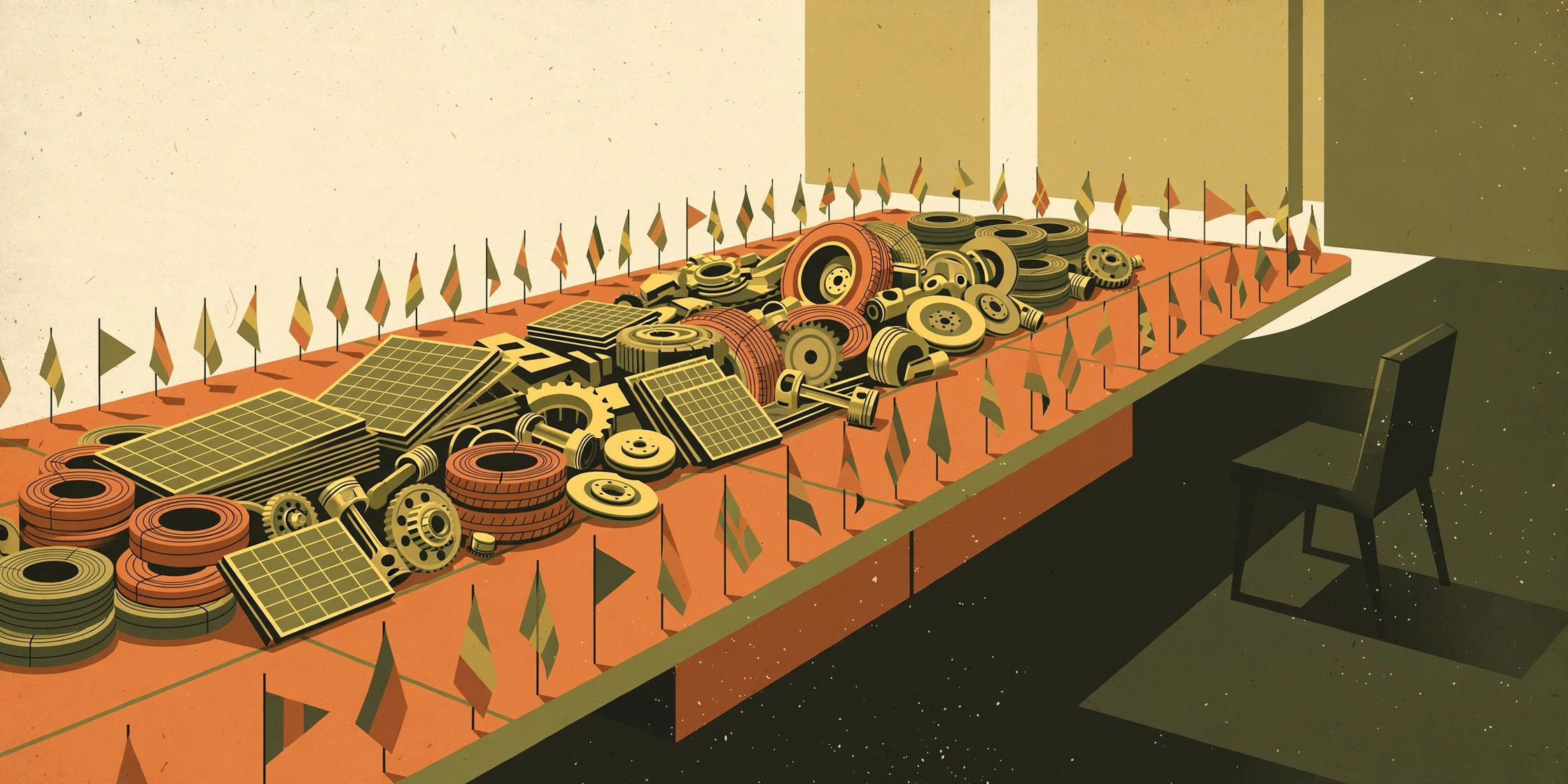
Washington threatened to shut off diesel exports unless Europe opened its emergency reserves; on October 2, after a call with Trump and a G7 videoconference chaired by Macron, the allies agreed to release 100 million barrels. A mène played with fuel instead of boules — and the shooter holding the biggest threat.
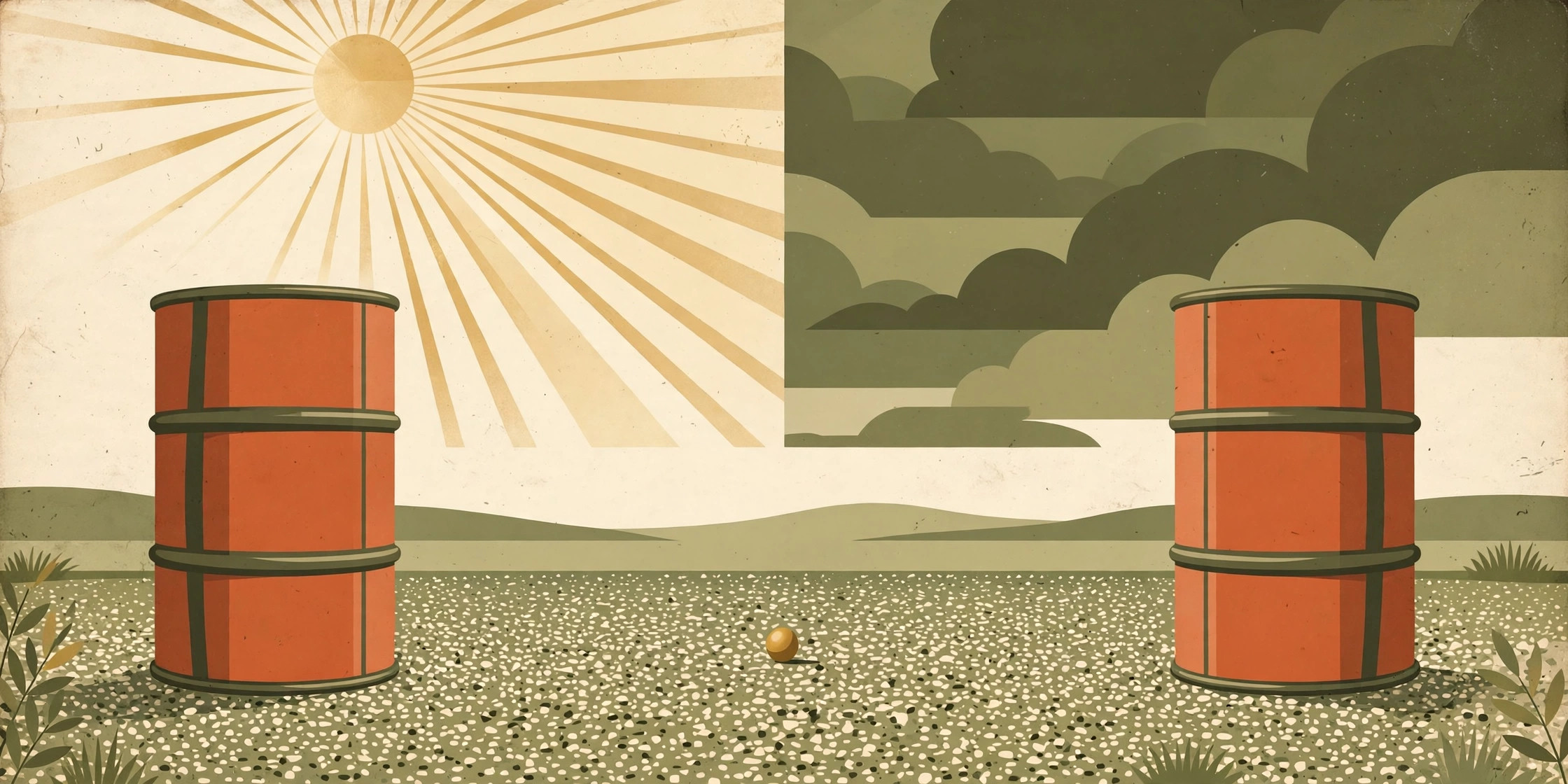
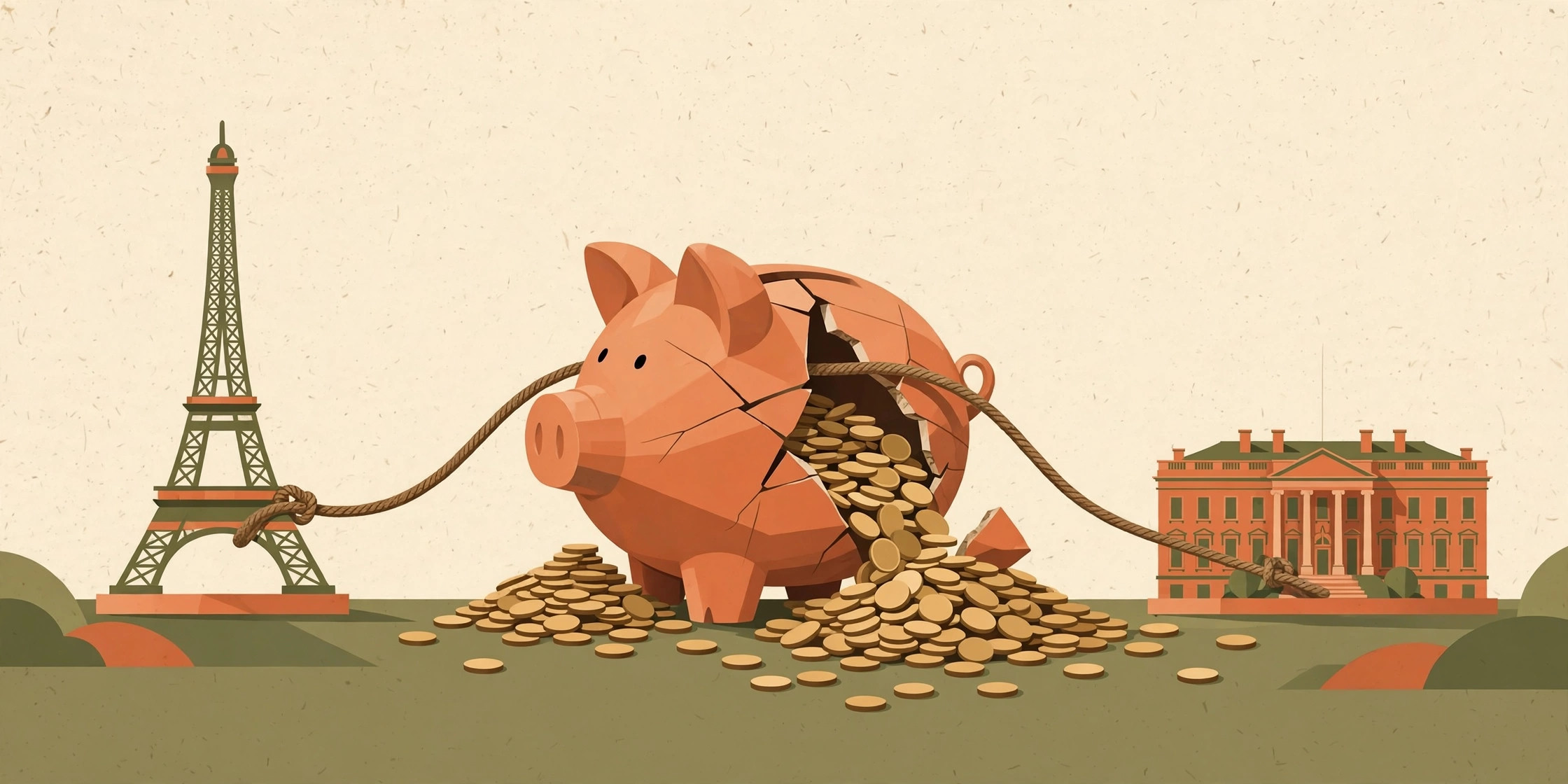
There is a mène in pétanque that everyone has played and nobody enjoys: the one where your opponent stops playing the cochonnet and starts playing you. He cannot reach your boule, so he reaches for your hand — the threat of the next throw, the promise of the carreau, the pressure applied not to the terrain but to the thrower. On Thursday night, October 1, Washington reached for Paris’s hand. Release your emergency diesel reserves, the message went, or we cut off the diesel we sell you. By Friday afternoon, the reserves were open.
The deal came fast, by the standards of these things. President Trump spoke with French President Emmanuel Macron on Thursday evening, then with the other G7 leaders on Friday morning. Macron convened a videoconference of G7 leaders on Friday, and France announced afterward that the allies would draw down their stocks: 100 million barrels over four months, beginning immediately, coordinated through the International Energy Agency — including, the statement said, a “frontloaded substantial diesel release” within the first 20 days. Trump declared victory on Truth Social the way he declares everything: “Europe has just agreed to release a massive amount of their heavily stocked Diesel Oil. The process will begin immediately.”
Advertisement
The pressure that produced the deal was pure tir. For days, Washington had been leaning on Europe — and especially on France and Germany, which American officials believed had not fully delivered on earlier pledges to draw down emergency stocks — with an ultimatum: open the reserves or face a possible American ban on diesel exports. Energy Secretary Chris Wright called it confidence; Treasury Secretary Scott Bessent called it fairness. “America is doing its part,” Bessent wrote on Thursday, noting that the United States had already released 172 million barrels of oil under a March agreement among IEA members. “We look to our allies to match their commitments with action.” His colleague was blunter: American farmers, truckers and businesses, he said, “should not be left carrying the burden of a global diesel shortage.”
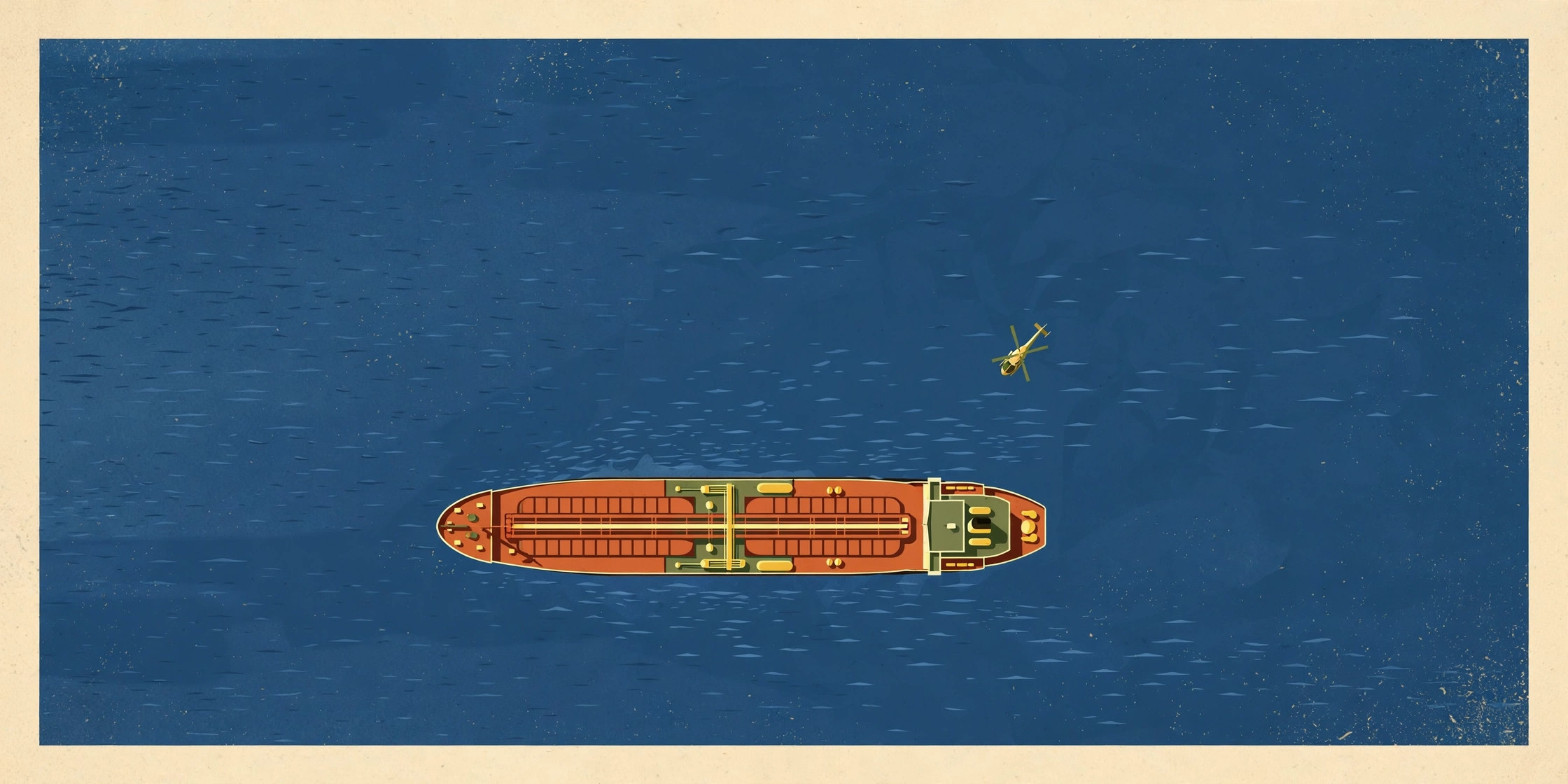
It is worth pausing on the anatomy of this particular threat, because it is a tir of unusual elegance. Europe is a net importer of diesel. It became more dependent on American fuel after banning Russian imports over the invasion of Ukraine, and the seven-month-old American war with Iran has further tightened Middle East supplies. Russia has extended its ban on diesel exports until the end of October. Chinese refiners have suspended October fuel exports to bolster domestic stocks. In other words, Washington threatened to withhold the one fuel Europe cannot easily replace, from the one supplier Europe cannot easily replace it with. A shooter aims at the boule that matters. This was aimed at the boule that matters.
The numbers explain why everyone is nervous. Diesel averaged $6.37 a gallon nationwide on Friday, according to AAA — down from $6.50 the week before, but against $3.70 a year earlier. Regular gasoline stood at $4.40 a gallon, down more than nine cents from the prior week. Brent crude for December delivery fell 2.5 percent on Friday morning to just under $100 a barrel; West Texas Intermediate dropped nearly 4 percent to about $89. These are the figures of a market exhaling — prices falling on the mere rumor of a release, before a single barrel has moved. The tir, once again, is doing the throwing before the throw.
Europe’s response to the ultimatum had its own French flavor. Hours before the deal, the European Commission publicly rejected the very idea of an American export ban. “A ban would not be beneficial to anyone,” said Commission spokesperson Anna-Kaisa Itkonen at a news briefing. “It would undermine our trust in the United States as a reliable partner.” That is the pointeur’s answer — no shouting, no counter-threat, just the quiet placement of a principle on the terrain: a reliable partner does not blockade its friends. Whether the principle survives the mène is another question. It was placed; it was then, rather conspicuously, followed by compliance.
Advertisement
Because make no mistake: Europe complied. The 100-million-barrel release is real, frontloaded, and coordinated. France, which according to Reuters had proposed that EU countries release 50 million barrels of diesel with IEA members adding another 50 million of crude, chaired the videoconference and announced the drawdown. For Paris, there is a certain logic in holding the circle: if the reserves must be opened, better that France be the one opening them than that Washington be seen prying them open. The pointer who places his own boule exactly where the shooter demanded it can at least claim the terrain is still his.
A tir aimed at your hand is still a tir. The question is whether you move your boule — or let him throw.
The calendar behind all of this is the most American detail of all. The midterm elections are in November, and diesel is the workhorse fuel of the American economy — trucks, tractors, freight trains, harvest season, heating-oil season. Every cent on the diesel price is a cent on everything the diesel moves. Trump has spent the week touting a possible export ban as a way to boost domestic supplies and bring down prices at home, and the European release is, from Washington’s point of view, the same result without the mess of an actual ban. The threat was the policy. The threat worked. Whether it worked well — whether a coerced ally is a reliable ally — is the part of the mène nobody wants to measure yet.
That is the thing about playing the player instead of the cochonnet. It wins mènes. It also ends friendships, or at least rearranges them. Brussels has spent recent years building an anti-coercion instrument precisely for moments like this — a legal mechanism for answering economic pressure with economic pressure — and the Commission’s warning about trust was not idle rhetoric. Europe drained its reserves this week because Washington demanded it. Next winter, if the reserves are thin and the Middle East is still burning, Europe will remember who held the emptying hand.
Notice the symmetry with the last few weeks of this relationship. Washington has been alternating between the pointer and the shooter all autumn: the 100-percent tariff threat on French wine (pure tir, aimed at Bordeaux to move Paris), and now the diesel ultimatum (pure tir, aimed at the pumps to move the G7). France, in turn, keeps answering with placement — the digital tax that never moves, the fines it calls a revenue stream, the videoconference it chairs. Two styles, one terrain, and the gravel keeps getting displaced.
For now, the mène is over and the measuring can begin. One hundred million barrels, four months, twenty days for the first heavy pour. Prices are already easing on the announcement alone. The reserves will refill, eventually, at whatever the market charges then. And somewhere in the Élysée, someone is doing the arithmetic every pétanque player knows by heart: when your opponent wins the mène by threatening your hand, you have lost the points — but you have learned exactly how he plays. The next mène starts with that knowledge. It always does.