News & Politics
The Mène France Isn't In
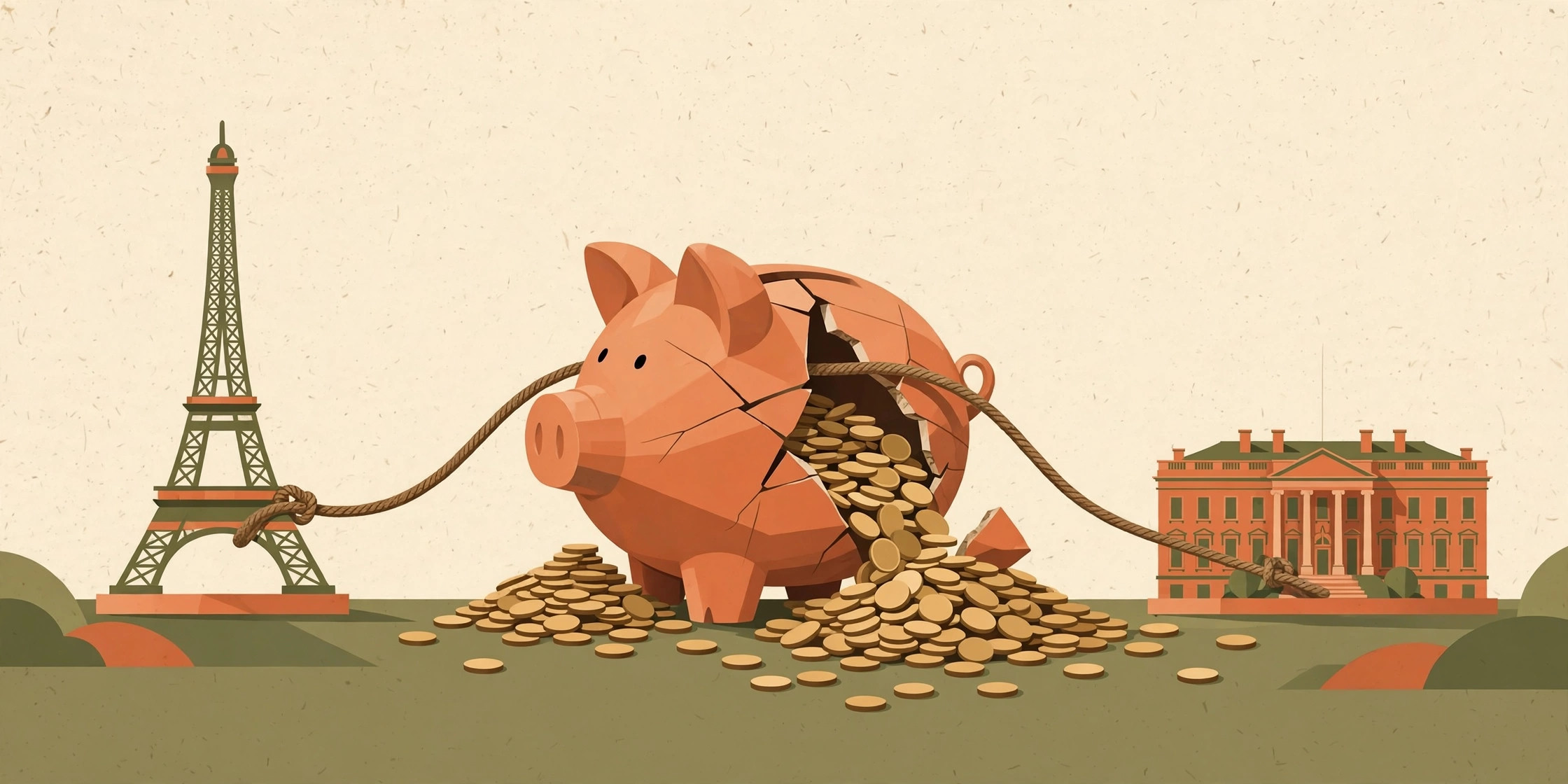
The Pentagon's number two convened five NATO allies in Poland to talk about the alliance's future. France, Britain and the Baltic states weren't invited. Critics call it a toxic precedent; nobody on the outside has said a word.

In pétanque, a mène is a round. Everybody throws from the same circle. If you’re not in the circle, you’re not in the mène. It’s that simple.
On Tuesday, US Undersecretary of Defense Elbridge Colby convened defense representatives from five NATO member states in Poland to discuss the future of the alliance and its defense capabilities. The guest list was notable for who wasn’t on it: France. Britain. The Baltic states.
Advertisement
That’s France — the alliance’s only EU member with a nuclear deterrent and an expeditionary military — watching from outside the circle while Washington talks about NATO’s future with a smaller table.
Critics were quick with the word “toxic.” Their argument: France, Britain and the Baltics are among the members contributing the most troops and resources to European security. Convening a select group to set priorities while leaving them out doesn’t just hurt feelings; it creates two classes of allies. The ones consulted and the ones informed.
As of Tuesday morning, none of the excluded governments had issued a formal response. That silence is its own statement. Either Paris, London and the Baltic capitals are coordinating a reply, or they’ve decided that responding to a snub with a press release is exactly what the snub was designed to provoke.
Advertisement
There is a charitable reading. NATO has 32 members. Getting anything done with 32 people in the room is how you get communiqués, not decisions. Small working groups are normal. The problem is the optics of this particular small group: convened by the Americans, on the territory of the alliance’s eastern flank, excluding precisely the countries that have been loudest about European strategic autonomy — a French hobbyhorse for decades.
The less charitable reading is that the table is the message. Washington is showing Europe that consultation is conditional now. Contribute, behave, agree — and you get a seat. Complain about American leadership, and you read about the meeting afterward.
France has been on the receiving end of this kind of choreography before. The AUKUS submarine deal in 2021 cost French shipyards a contract worth tens of billions and triggered a genuine diplomatic crisis, complete with recalled ambassadors. Paris recovered. The lesson Paris took was not “be quieter” — it was “build options.” Hence the constant French drumbeat for European defense independence.
Whether this meeting is routine plumbing or a deliberate signal, the dynamic is familiar: the United States reorganizes the room, France notes the arrangement, and everybody pretends the alliance is exactly as united as it was the day before.
In pétanque there’s a rule for this situation, actually. If a team shows up late to a mène, the game goes on without them. They join the next one. The question for France is whether there’s a next one — or whether the circle is getting smaller for good.