Pétanque
Finding a Game
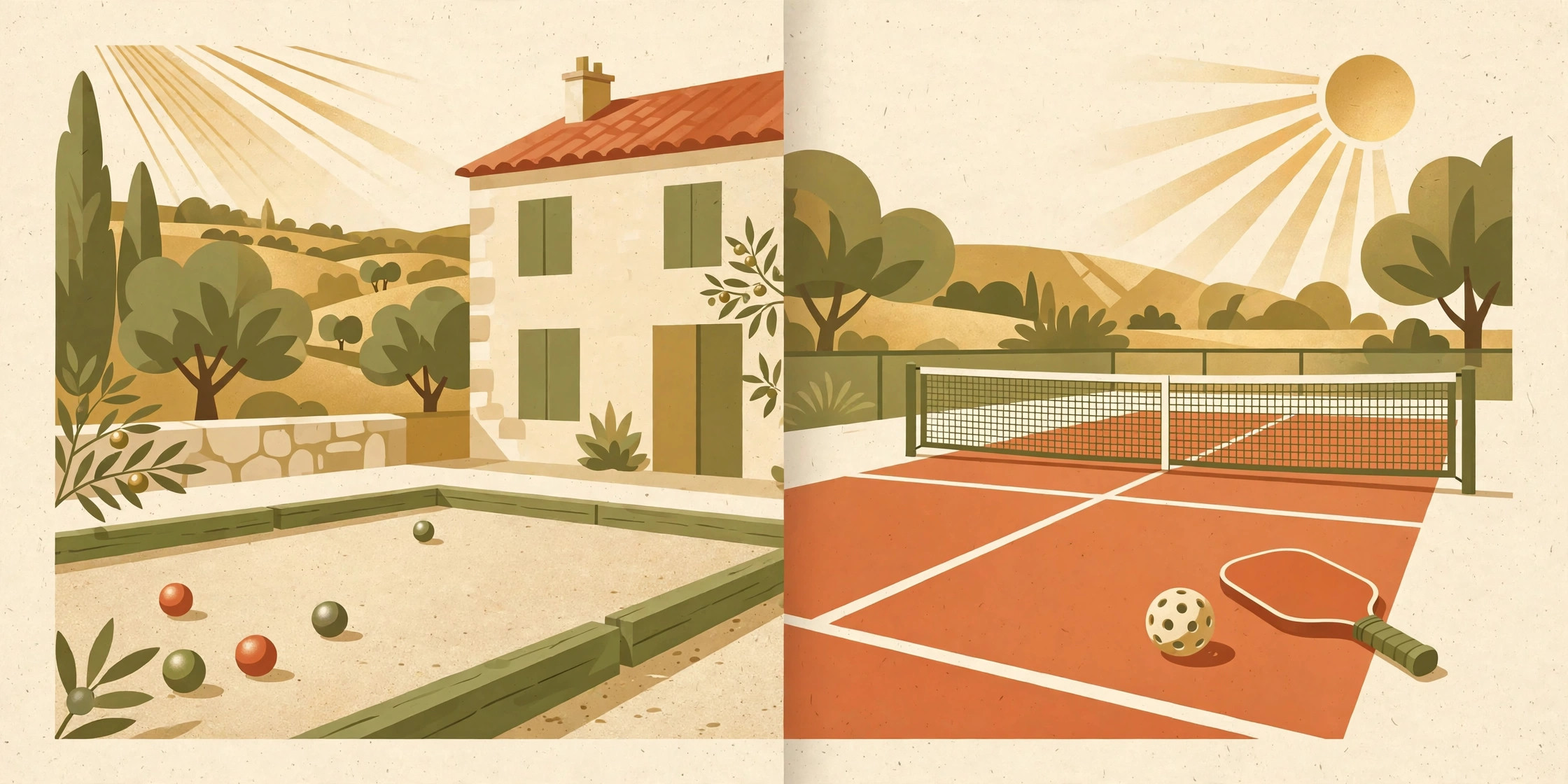
Pétanque is quietly thriving in American cities, and pickleball is exploding across France. Here's where the two games are meeting in the middle.
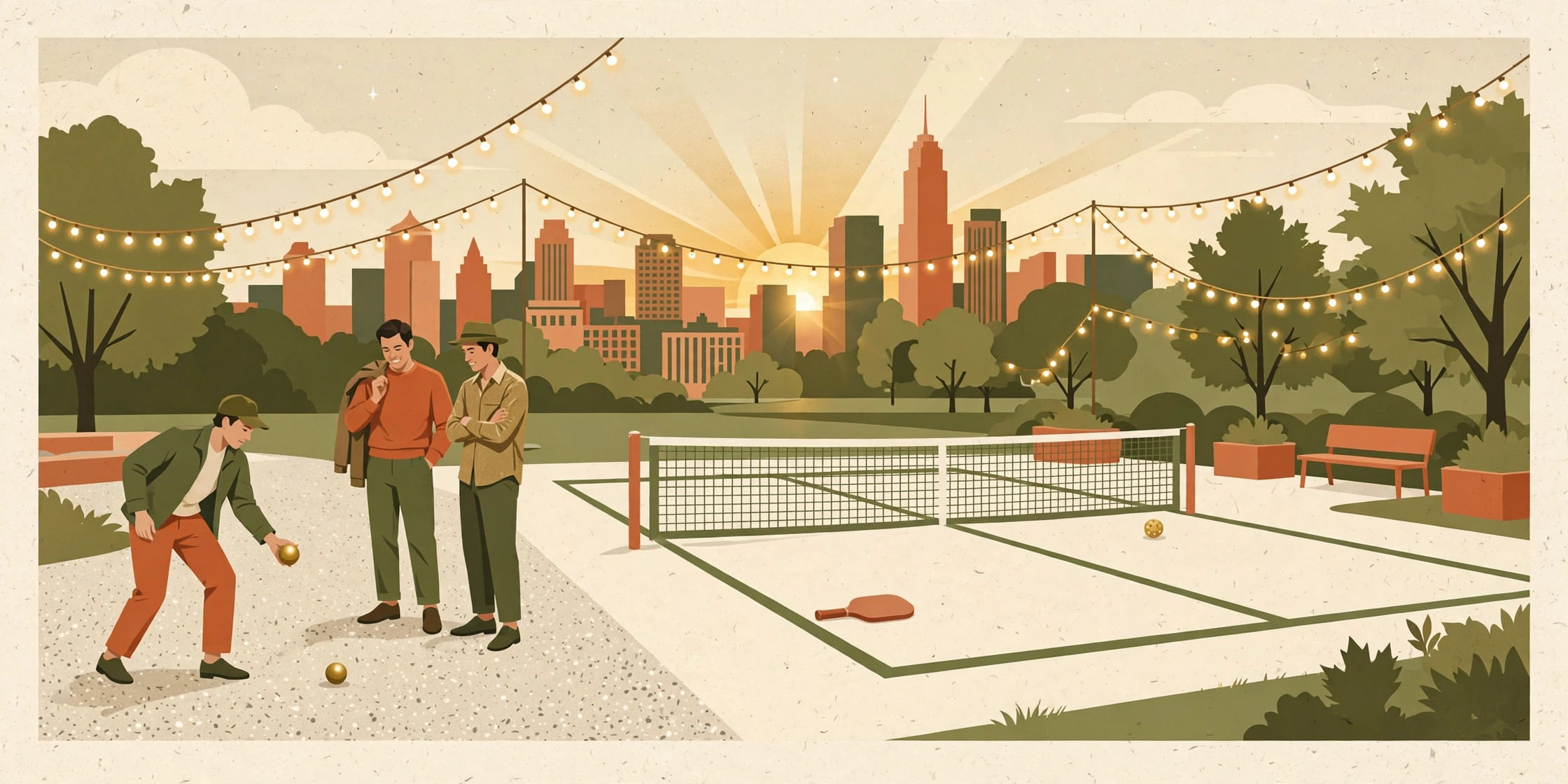
The easiest way to find a pétanque game in America is to follow the French.
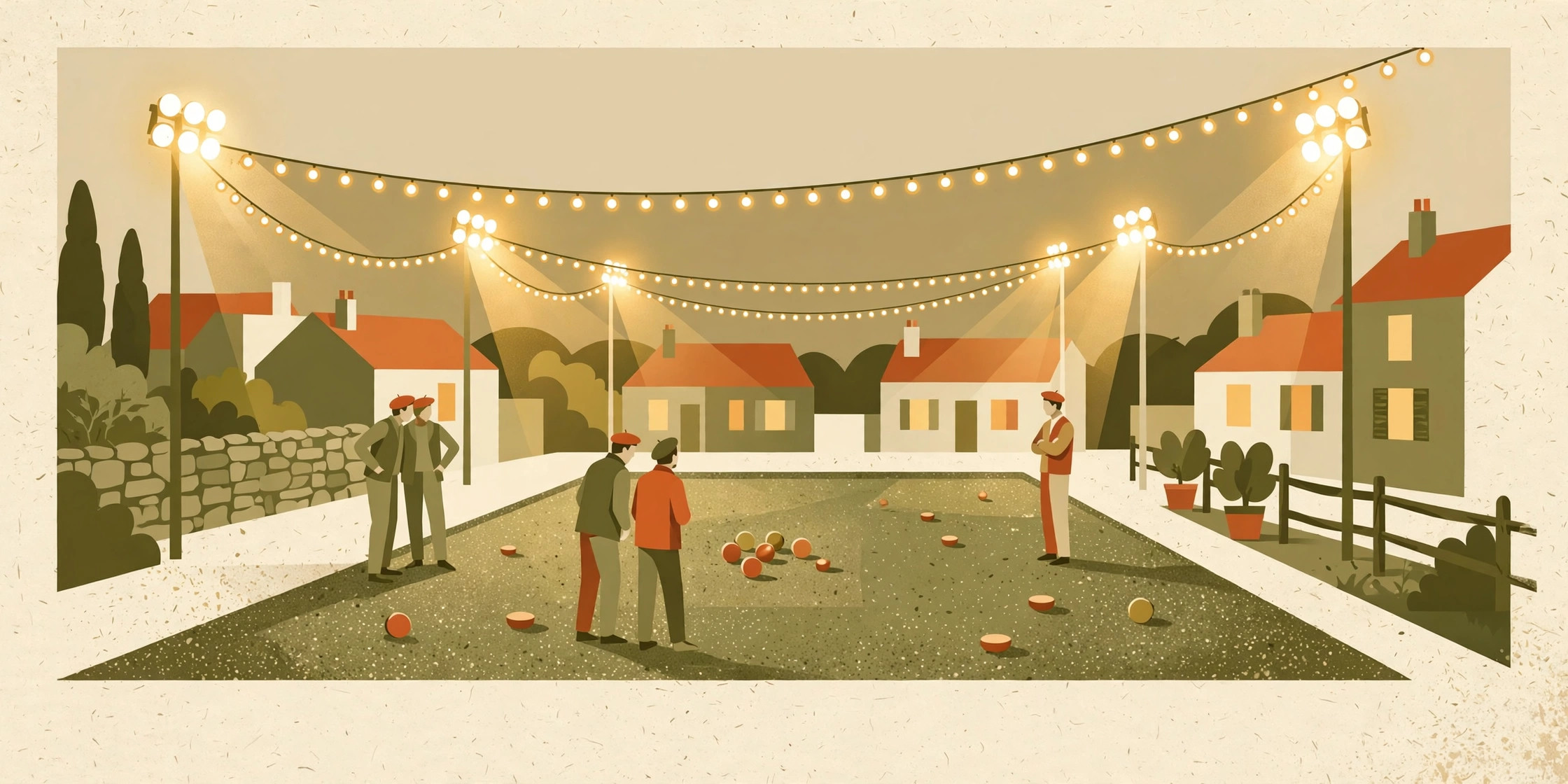
New Orleans, New York, San Francisco — the cities where France left its fingerprints all have public courts, some of them decades old, shaded by the same plane trees the game was designed for. Show up on a weekend afternoon with nothing at all: someone will hand you three boules and explain the rules in under a minute, because that is the whole recruiting strategy of pétanque. The equipment costs less than a pizza. The dress code is whatever you are wearing.
The American twist is the boulodrome as social club. Pétanque leagues have sprouted in cities with no French history whatsoever, drawn by the same thing that draws everyone: a game you can play with a drink in one hand and a conversation in the other. Tournaments bill themselves as festivals. The pastis is optional but strongly encouraged.
Meanwhile, pickleball is doing in France what pétanque did in America — arriving as a curiosity and staying as a habit. French tennis clubs, always hungry for court usage, have been painting kitchen lines on underused surfaces. The sport’s pitch writes itself in French: un sport de raquette qui se joue en double, où l’on rit beaucoup. Retirees who never touched a tennis racket are dinking. Municipalities are building dedicated courts the way they once built boulodromes.
The beautiful symmetry: each country is adopting the other’s game for the same reason. Pétanque gives Americans permission to slow down; pickleball gives the French permission to be unserious. Somewhere in Brooklyn, a New Yorker is learning to pointer. Somewhere in Lyon, a grandmother is learning to dink. Neither knows they are part of an exchange program.
To find a game, follow the laughter. Both sports are loudest where they’re newest.
Advertisement