Pétanque
A Hundred Years of Pétanque
In 1907, a rheumatic man's friendship invented a sport. A century later, it is played on every continent.
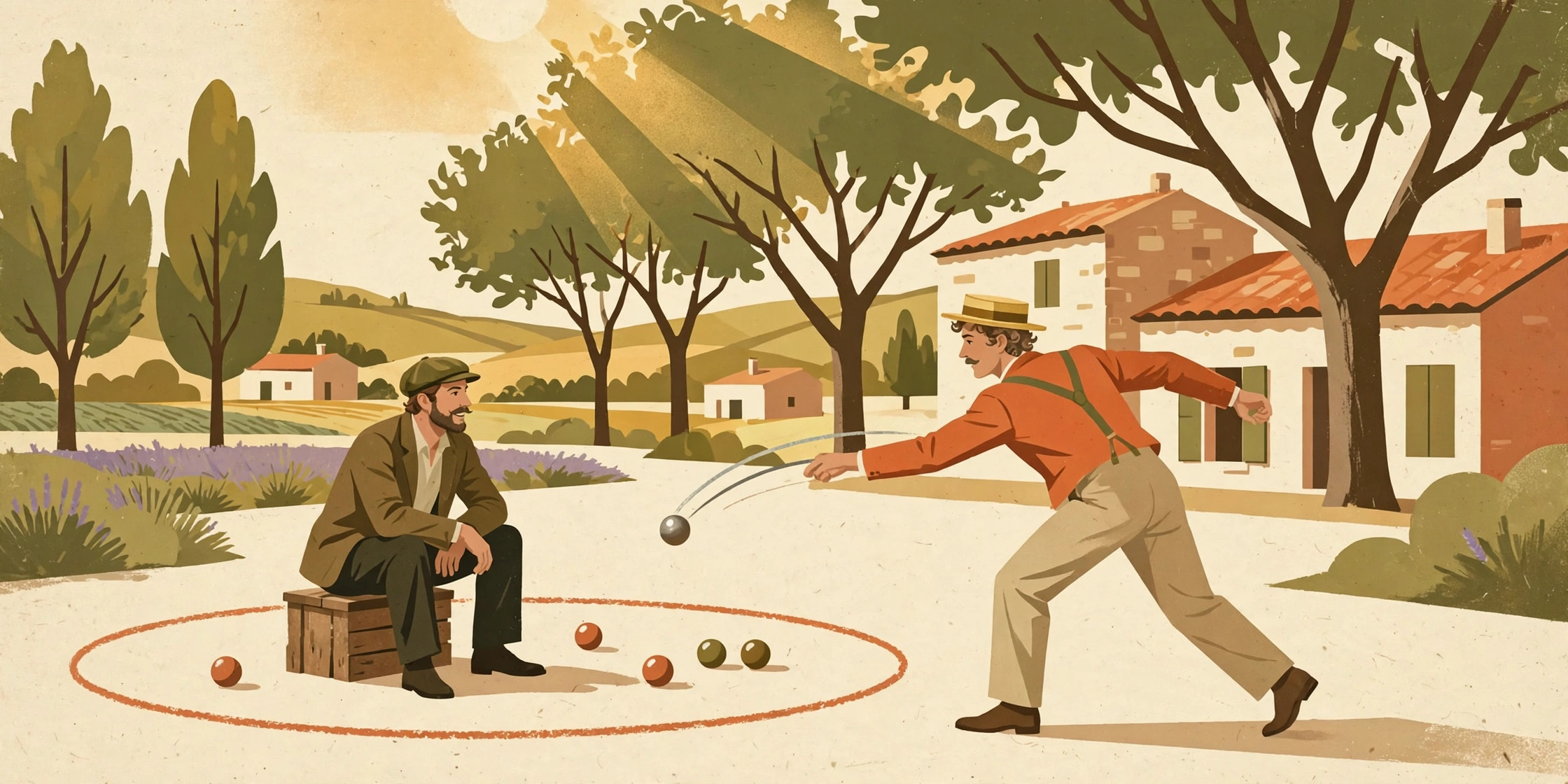
Pétanque was born from compassion. In 1907, in the Provençal fishing town of La Ciotat, Jules Lenoir could no longer play jeu provençal — rheumatism had crippled him, and the old game required a running throw. His friend Ernest Pitiot suggested he simply stand still, feet together — pieds tanqués — and throw from inside a drawn circle. A sport was born in a single afternoon of friendship.
The name stuck because the gesture was so plain. No run-up, no apparatus, no uniform. Two hollow steel boules, one small wooden cochonnet, and a patch of ground. That democratic simplicity is why pétanque spread the way it did: through France first, then through French colonies and ports, then through sheer human joy. Anyone who watches a game wants to play one.
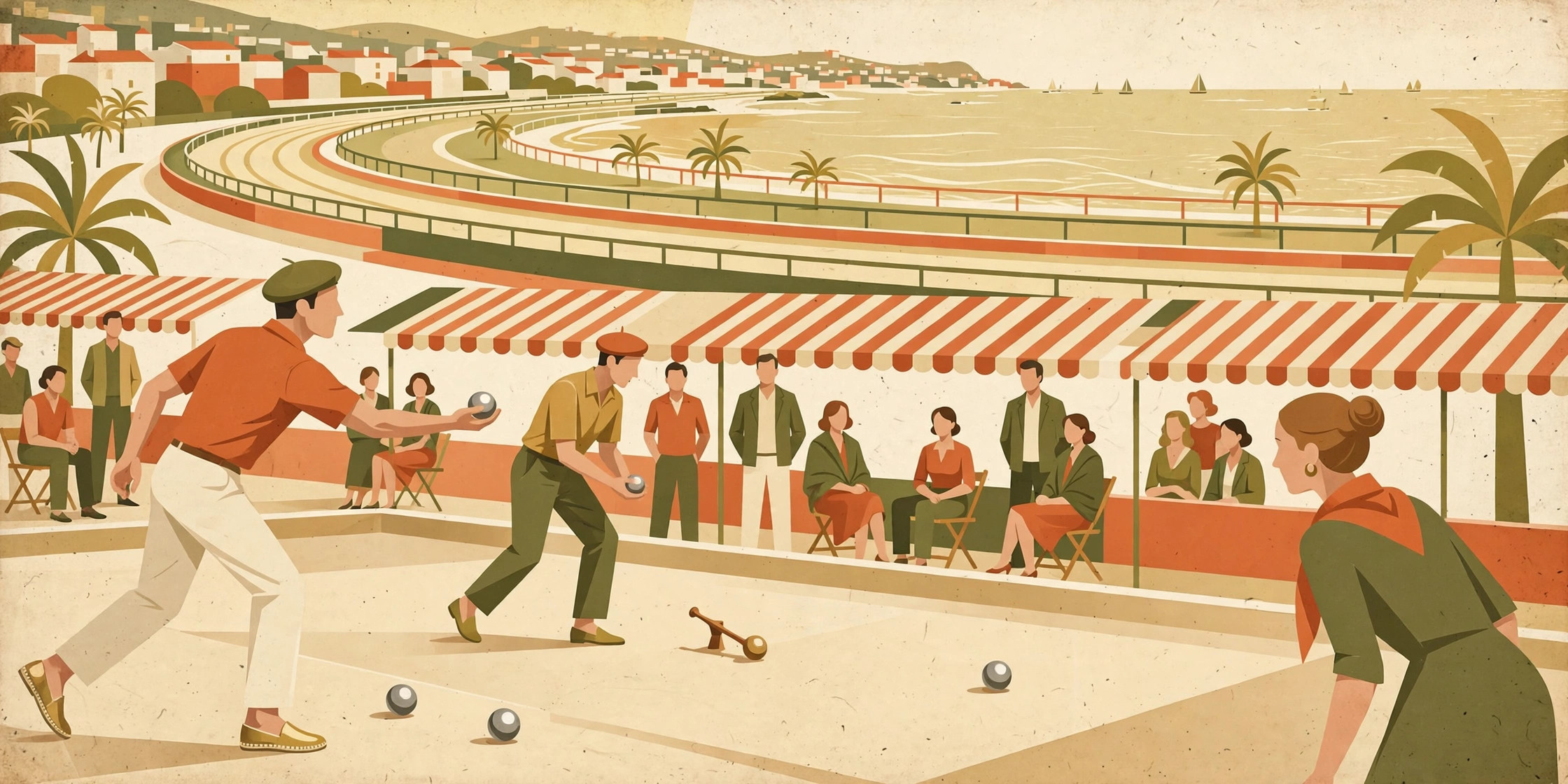
By 1945 the international federation, the FIPJP, was founded in Marseille. Today it governs more than 100 national federations. France’s own FFPJP counts over 350,000 licensed players and 8,000 affiliated clubs — the largest federation on earth. In Laos and Madagascar, pétanque is a national passion; in Thailand, players regularly beat the French at their own game.
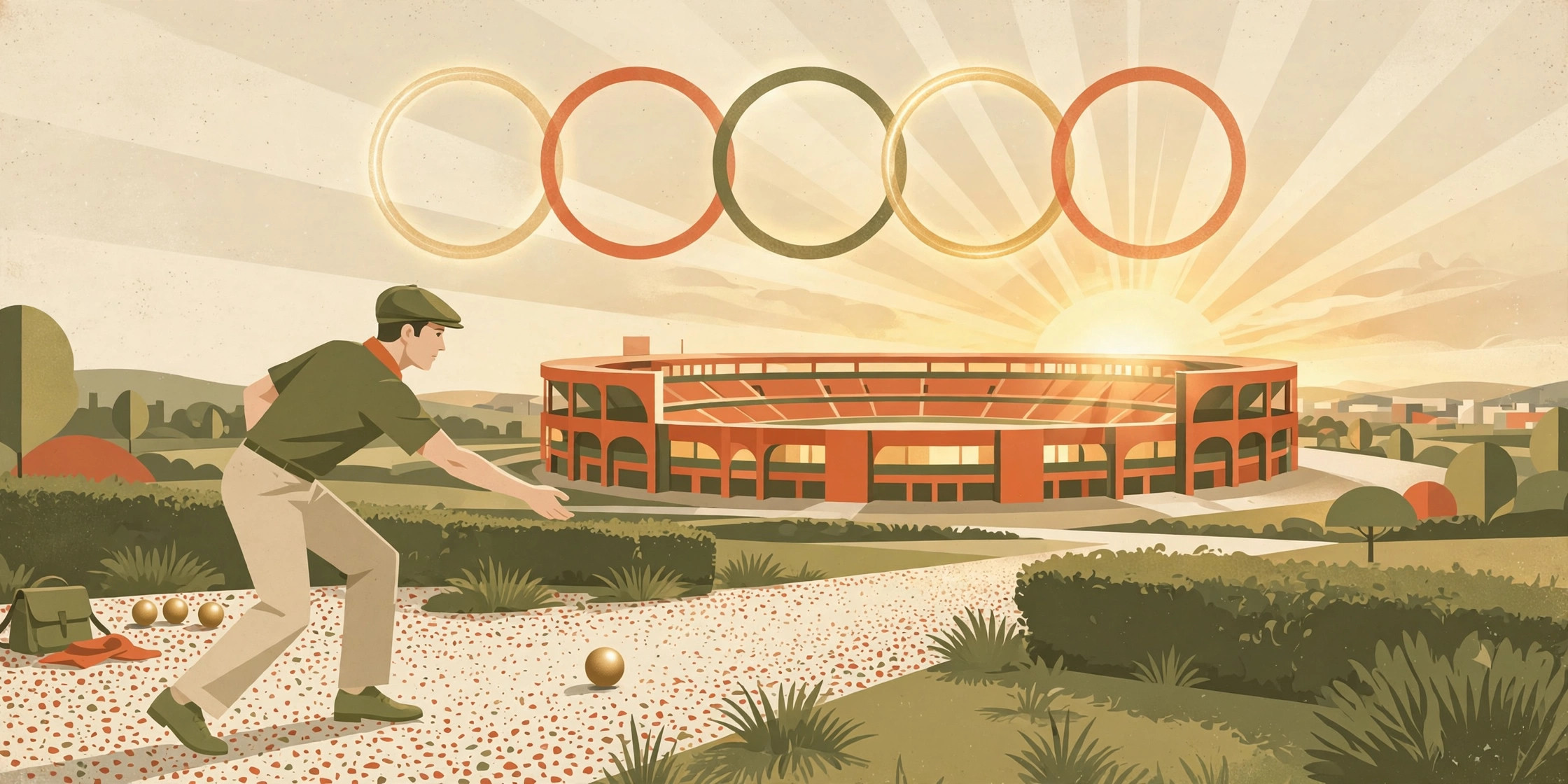
Pétanque even reached the Olympics — as a demonstration sport in Barcelona in 1992. It has been campaigning for full inclusion ever since, patient as a pointer lining up a shot. A hundred years in, the game Jules Lenoir invented to keep playing with his friends is still doing exactly what it was made for: putting strangers in the same circle.
Advertisement